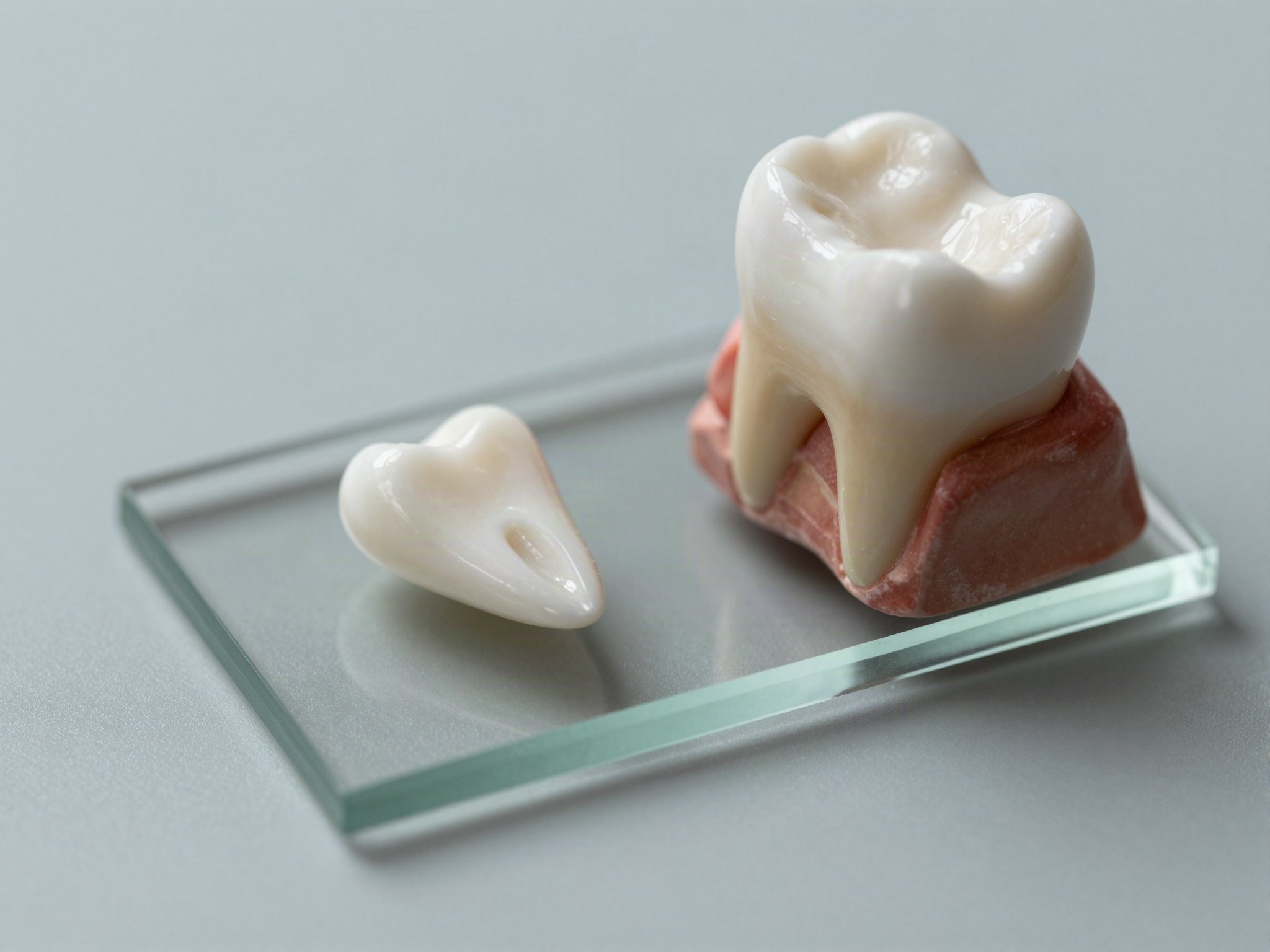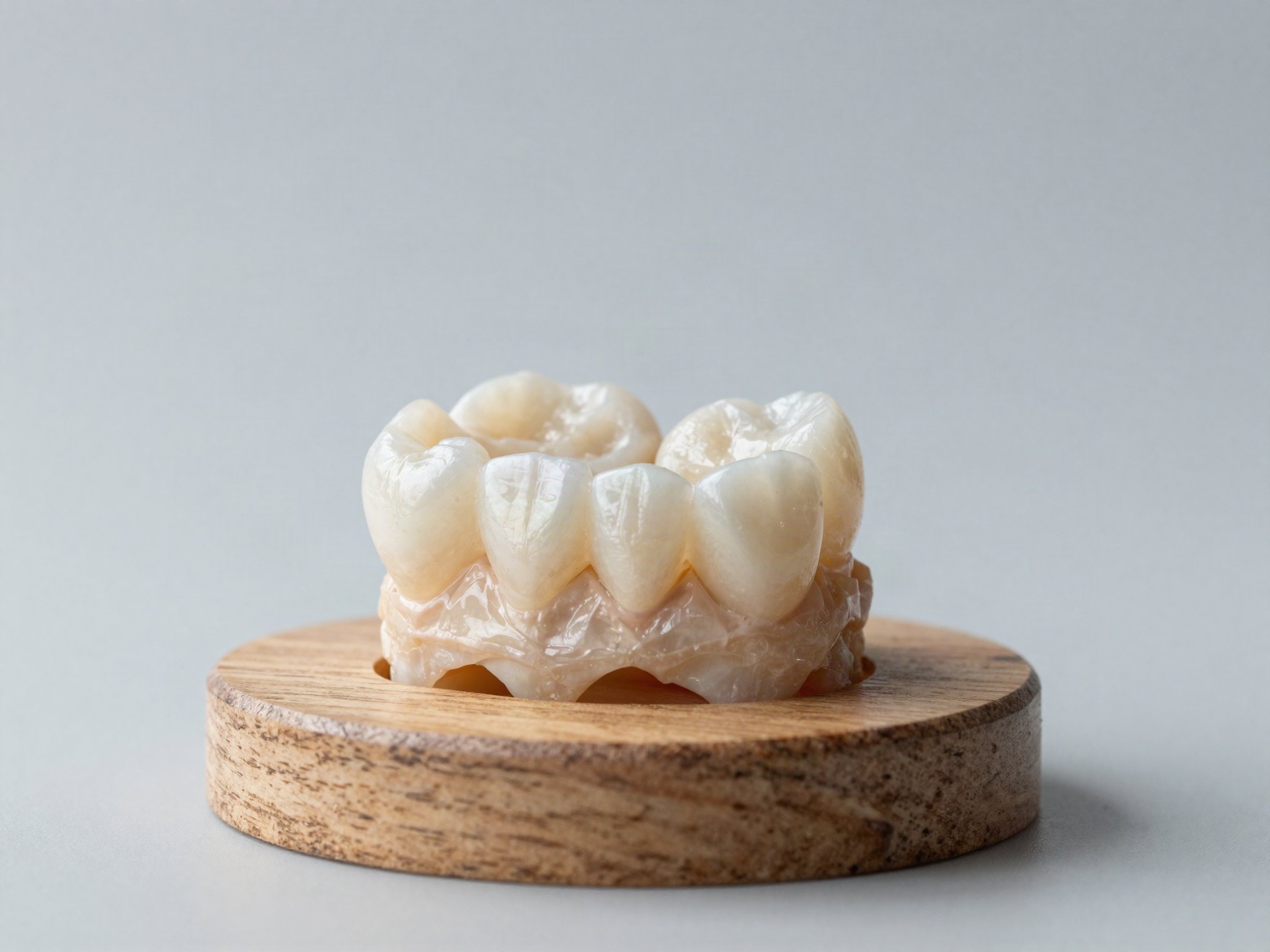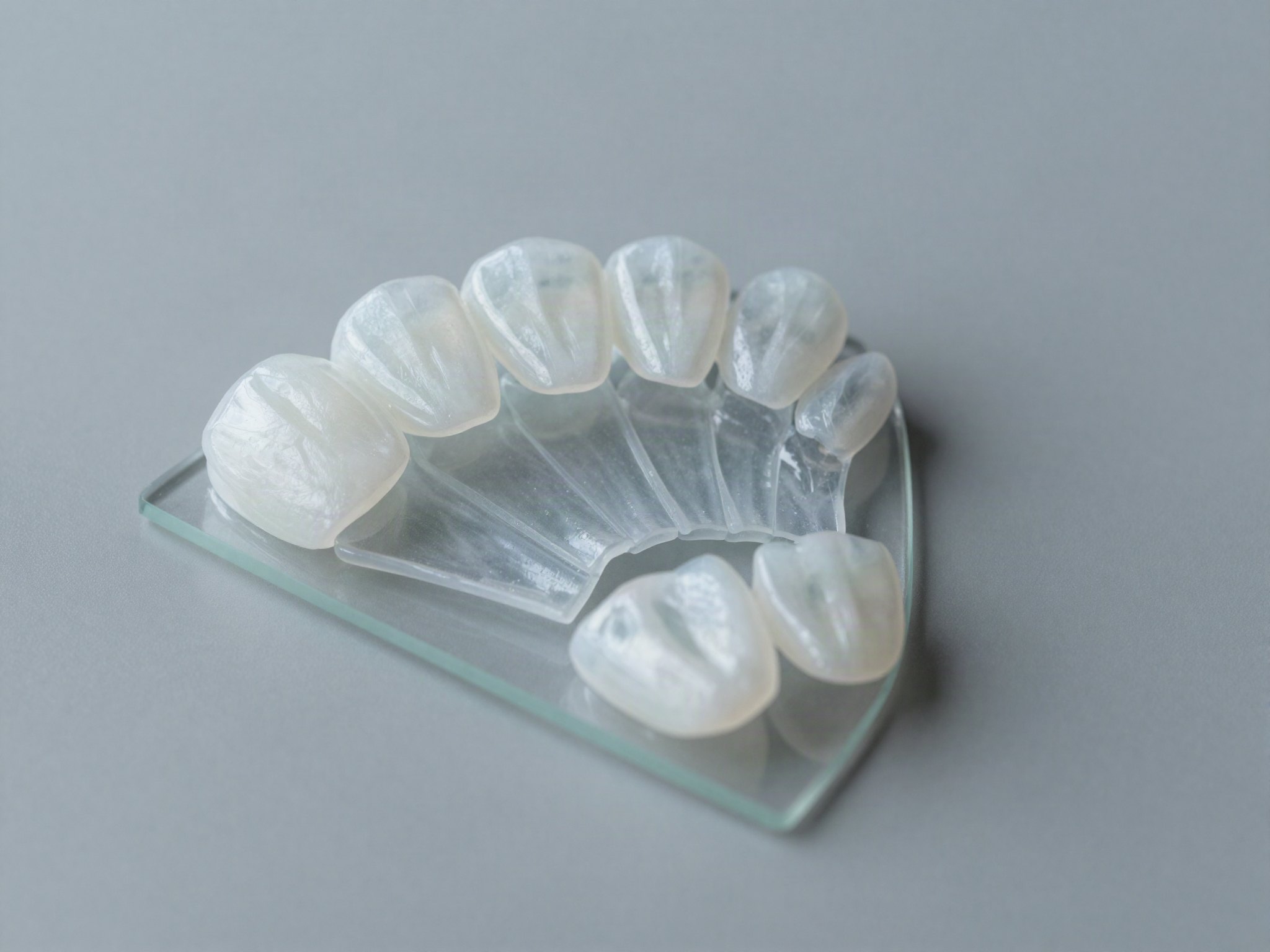
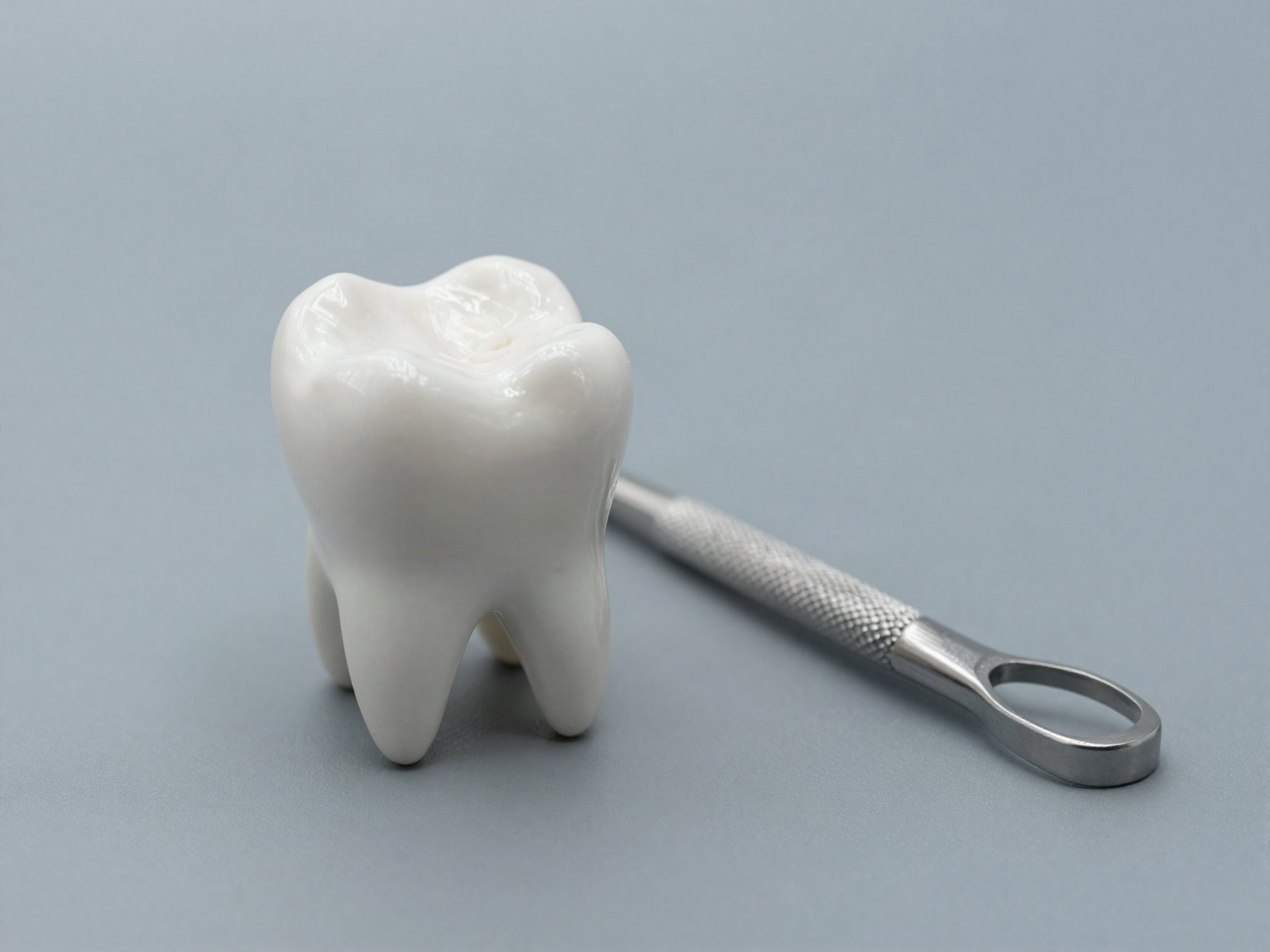
Modern dentistry offers various ways to restore decayed or damaged teeth. A proven and aesthetically pleasing solution is the plastic tooth filling, especially in the form of composite fillings. These consist of a special plastic-ceramic mixture and are processed directly at the dental practice.
Thanks to advances in materials technology, the range of uses for these fillings has expanded considerably in recent years. Whereas they used to be used mainly for small repairs or restorations of front teeth, they are now also suitable for areas of the back teeth that bear chewing forces.
What are composite fillings and how do they work?
Composite fillings consist of a mixture of plastic and fine ceramic particles. They are applied in layers and hardened with a special UV lamp. This technique allows precise matching to the natural tooth colour, so that the filling remains almost invisible.
Advantages of composite fillings
- AestheticsThe natural tooth structure can be reproduced in detail. Individual colour matching ensures the filling is barely distinguishable from the real tooth substance.
- Preservation of tooth substanceIn contrast to amalgam or ceramic inlays, less healthy tooth substance has to be removed.
- StabilityModern plastic tooth fillings are now so resilient that they can also be used in areas that bear chewing forces.
- VersatilityThey are suitable not only for repairing tooth decay but also for composite filling of a gap between teeth, i.e. closing the space between teeth.
Challenges and Limits
Despite their advantages, processing composite materials requires the utmost precision. Inaccurate processing or faulty hardening can impair durability. In addition, composite fillings are more complex to produce than simple plastic fillings such as amalgam.
Another aspect is load-bearing capacity: in cases where a filling is exposed to strong mechanical forces – for example with very large defects or severe bruxism (teeth grinding) – a laboratory-made ceramic restoration can be the longer-lasting alternative.
When are ceramic restorations sensible?
Although plastic tooth fillings offer many advantages, there are situations in which a laboratory-made ceramic solution is recommended. These include:
- Large defects where the load would be too high for a composite filling.
- Patients with severe teeth grinding, which places excessive strain on the filling.
- Particularly high aesthetic demands, for example in the visible front tooth area.
in Gelsenkirchen
Anyone interested in a composite filling or in individual advice on dentures can contact us at any time. We examine which restoration best suits the particular dental situation and how a long-lasting, aesthetic solution can be found.
We look forward to your call!